Laura Burgis

Consultant · Scholar-Practitioner · Educator

Dr. Laura Burgis

Full Professor of Practice, Claremont Graduate University · Founder & Executive Director, The Human Values Center

Designing, leading and governing organizations and learning communities for collective wellbeing and human and planetary flourishing.

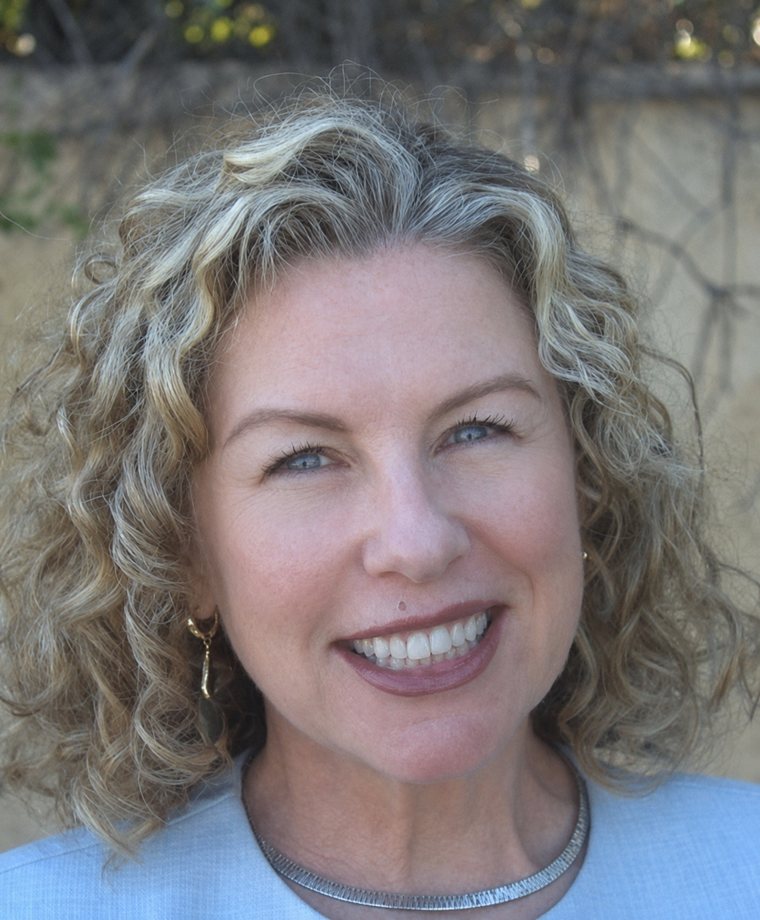
Portrait of Dr. Laura Burgis

About

Scholarship in service of practice

Laura Burgis is a developmental psychologist, scholar-practitioner and educator. Her work asks how organizations and learning communities are designed, led and governed to support collective wellbeing and human and planetary flourishing.

Her scholarship and applied work sit where organizational psychology meets community development, with particular emphasis on culture transformation. A distinctive focus is building learning communities that foster collective wellbeing and ecological belonging, an emerging, transdisciplinary frontier.

Dr. Burgis is a full Professor of Practice in the Division of Behavioral and Organizational Sciences at Claremont Graduate University and teaching faculty at the Claremont Flourishing Center. She is founder and Executive Director of The Human Values Center, a nonprofit public-benefit corporation that partners with universities, public agencies, nonprofits and global networks for organizational- and systems-level social impact.

What I Believe

Wellbeing is collective, and it is designed.

Campuses and workplaces are living systems. The wellbeing of the people within them cannot be separated from the cultures they share, the structures that govern them, the economies they participate in, and the living world that sustains them all.

When learning communities and organizations are intentionally designed around care, belonging and shared purpose, flourishing stops being an individual achievement and becomes something people practice together, for one another and for the planet.

Guiding values

Learning communities & campuses

Campuses where everyone learns to flourish

Higher education can model the future it hopes to create. I partner with universities and colleges to weave wellbeing into governance, curriculum and campus life, so students, faculty and staff flourish together.

  • Wellbeing embedded in institutional strategy, policy and governance
  • Learning communities that cultivate belonging and ecological awareness
  • Faculty and staff wellbeing as the foundation for student flourishing
  • Leadership development for deans, directors and student affairs teams
Workplaces & the wellbeing economy

Businesses that measure success by flourishing

A wellbeing economy serves people and planet first. I work with companies, nonprofits and social enterprises building cultures where people thrive and business becomes a force for shared prosperity.

  • Workplace cultures that put human wellbeing at the center
  • Values-based decision-making from the boardroom to the front line
  • Social enterprise and regenerative business models
  • Measures of success that include people, community and planet

Global Frameworks

Outer goals, inner capacities

My work connects two global frameworks. The UN Sustainable Development Goals name what the world must achieve by 2030. The Inner Development Goals name the human capacities we need to get there. Lasting change on campuses and in workplaces requires both.

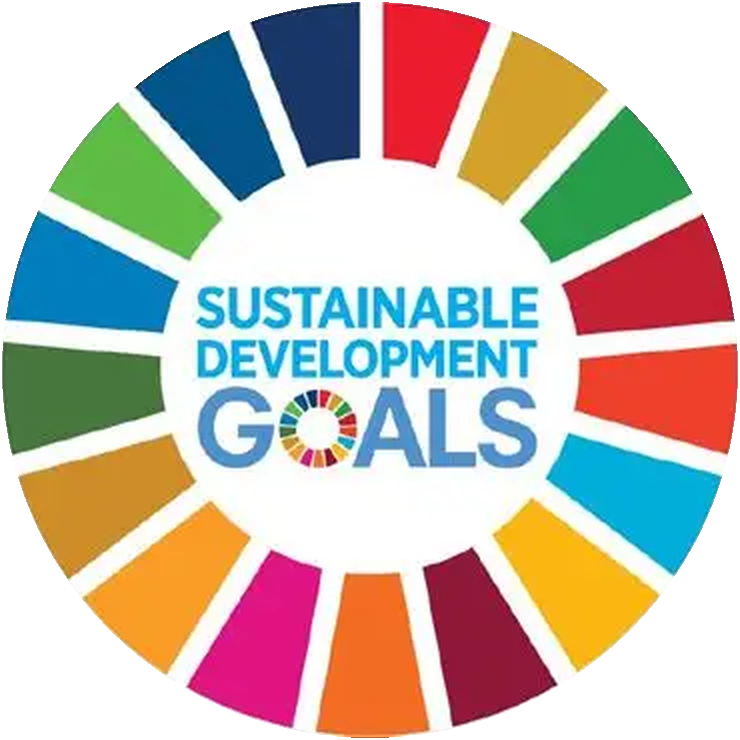
United Nations Sustainable Development Goals logo

UN Sustainable Development Goals

The goals my work advances

Adopted by all UN member states in 2015, the 17 SDGs are a shared blueprint for peace and prosperity for people and the planet.

  • 3Good Health & Well-beingCollective wellbeing on campuses and at work
  • 4Quality EducationLearning communities that educate the whole person
  • 8Decent Work & Economic GrowthWorkplaces built for a wellbeing economy
  • 11Sustainable Cities & CommunitiesBelonging to place and to one another
  • 13Climate ActionEcological belonging as a leadership practice
  • 16Peace, Justice & Strong InstitutionsValues-based, compassionate governance
  • 17Partnerships for the GoalsUniversities, agencies, nonprofits and business working together
Inner Development Goals logo

Inner Development Goals

The capacities that make change possible

The IDG framework identifies five dimensions of inner growth that help people and organizations meet complex global challenges.

  1. BeingRelationship to self: inner compass, presence, integrity and self-awareness
  2. ThinkingCognitive skills: critical and complexity thinking, perspective-taking and long-term vision
  3. RelatingCaring for others and the world: appreciation, connectedness, humility and compassion
  4. CollaboratingSocial skills: communication, co-creation, inclusive mindset and trust
  5. ActingDriving change: courage, creativity, optimism and perseverance

Roles

Current appointments

Academic, nonprofit and global leadership roles that shape her teaching, research and consulting.

Teaching & Service

In the classroom and the community

Doctoral teaching at Claremont Graduate University, alongside service with global wellbeing networks and social enterprises.

Courses at CGU

  • Organizational Development & ChangeDivision of Behavioral & Organizational Sciences
  • Capstone I & IIFor I-O, Positive Psychology and Evaluation doctoral students pursuing the PsyD

Service & social enterprise

  • Higher Education Wellbeing Project (WHEN)Active member · global initiative anchored by Georgetown University
  • My Homies KitchenBoard · social enterprise, Fresno, CA
  • Baltazar & Rose, Inc.Board · social enterprise in partnership with Homeboy Industries, Los Angeles, CA

Research & Practice

Areas of focus

Four connected threads run through her research, teaching and work with organizations.

Thriving together

Collective Wellbeing

Wellbeing as something groups, teams and communities hold in common, and the conditions that let it grow beyond the individual.

Rooted in place

Ecological Belonging

Understanding ourselves as part of the living world, and bringing that sense of kinship into how we lead and organize.

Changing how we work

Culture Transformation

Guiding organizations through deep cultural change so that stated values show up in everyday practice, systems and decisions.

Leading from within

Embodied Compassionate Leadership

Values-based leadership practiced through presence, care and the body as well as the mind, supporting the inner life of leaders.

I-O & Organizational Development

People science for organizations under pressure

Organizations today face emotional exhaustion, declining trust, rising anxiety and widening gaps between stated values and lived experience. The visible behavior of an organization is shaped by psychological and systemic structures operating beneath awareness. As a developmental psychologist working with organizations, I help leaders see those structures, measure them and change them.

Every engagement begins by listening for what is happening beneath the surface.

  1. DiagnoseEvidence-based assessment of the conditions beneath the symptoms
  2. DesignCustom solutions built within each organization's own constellation, never off-the-shelf toolkits
  3. ImplementHands-on partnership through the change itself
  4. EvaluateRigorous measurement of what changed and why

Who I partner with

Chief people officers, talent and culture leaders, and executives who respect psychology at work. I help them become stewards of their organization's inner architecture: psychologically integrated, relationally trustworthy, developmentally capable and aligned under pressure.

The Ecotone Flourishing Index™ · The science of the space between

Growth happens at the edges

In ecology, an ecotone is the zone where two ecosystems meet, such as where a forest meets a grassland. These edges are often the richest places in a landscape, and they buffer the systems around them from extremes.

Every organization in change lives in an ecotone: where the old way of working meets the new, legacy work meets AI-enabled work, and what leaders intend meets what people experience. Handled well, it is where innovation, adaptation and growth happen. Handled badly, it is where trust breaks down and change snaps back. I created the Ecotone Flourishing Index to make that zone measurable, so change turns into growth instead of strain.

The problems that stay human as AI takes on more work live in the same place: between people, between groups and between systems. AI works inside tasks; people live in the between.

Flourishing, in this model, means people growing in skill and capacity and contributing at their full potential. It is a performance condition, not a perk.

The organization today The organization emerging THE ECOTONE

Three scales of the between

Where ecotones form

  • Between people: trust, candor, ownership and accountability
  • Between groups: collaboration across functions, generations and differences
  • Between systems: legacy and AI-enabled work, stated and lived culture

What it measures

Five growth capacities

  • Trust & Candor: people raise problems early and speak up
  • Alignment: people understand where the organization is going and why
  • Adaptability: people learn, experiment and use AI with good judgment
  • Collaboration Across Boundaries: people work well across functions and differences
  • Contribution: people see their work make a difference and take ownership

The Coherence Gap: leaders rate each capacity as they believe it exists; people rate it as they live it. The gap shows where change will stall before it does.

Productive Energy: a short check flags units running on empty, as an early risk to performance and retention.

How it works

Measure, build, prove

  • Measure: a diagnostic finds the three capacities most likely to unlock growth
  • Build: targeted programs strengthen them where the gaps are
  • Prove: short pulses show they moved, linked to outcomes the organization already tracks

Human-led, AI-assisted: AI brings speed and scale to listening. People keep judgment, interpretation and every decision about individuals.

Work with me

Consulting & engagements

Engagements are shaped with each organization, drawing on current research and long experience in the field.

Contact

Let's talk about what your organization could become.

For consulting, speaking, or academic collaboration, reach out by email.